Why Smoke Detector Upgrades Are an Important Part of Home Electrical Safety
When it comes to home electrical safety, smoke detectors do more than make noise. They buy you time. In New Orleans, where historic homes meet humid summers and storm season, those extra seconds matter. That is why a simple battery swap is not enough. A planned smoke detector upgrade, handled by a licensed electrician, helps your system work the way it should when you need it most.
What a Smoke Detector Upgrade Really Means
Upgrading is not just adding new plastic pucks to the ceiling. It is moving from scattered, aging alarms to a complete life-safety system designed for your home’s layout, wiring, and family routine. That system often includes hardwired power with battery backup, interconnection so every unit sounds together, and the right sensor type for each room.
In shotgun homes and doubles common around Mid-City, Bywater, and Gentilly, interconnection is key. A signal at the back of the home must reach sleepers at the front. The right upgrade plan closes those gaps and reduces nuisance alarms in kitchens, lofts, and humid spaces.
Why Hardwired, Interconnected Alarms Matter in New Orleans
Our climate is tough on electronics. Humidity, salt air, and frequent outages push older alarms past their limit. Hardwired, interconnected alarms add reliability and coverage, especially in multi-story homes from Lakeview to Algiers Point.
- Interconnected alarms save time: when one unit senses smoke, they all sound so everyone hears it.
- Hardwired power with battery backup keeps protection in place if a single battery fails.
- Better placement options let you separate detectors from steamy kitchens and bathrooms that cause false alerts.
Pairing an upgrade with whole-home protection also helps. Voltage spikes during summer storms can damage sensitive devices, including detectors. If you have frequent outages or rely on window units or dehumidifiers, consider adding surge protection while you update alarms.
How Often to Replace Smoke Alarms and Why It Matters
Most manufacturers recommend replacing smoke alarms about every 10 years. Sensors slowly lose sensitivity, plastic housings age, and nuisance alarms increase. If you have mixed brands or dates in a French Quarter condo or an Uptown cottage, that patchwork can fail at the worst time. A full upgrade resets the clock and standardizes your system so units talk to each other and test the same way.
Do not ignore chirping. Random beeps can point to humidity problems, a failing sensor, or low batteries. Chirping is a sign to act, not to unplug.
Local insight: summer humidity in New Orleans can trigger nuisance alarms, especially in older units near kitchens or bathrooms. A licensed electrician can place the right sensor types and spacing to reduce false alerts without reducing safety.
Signals You Need a Smoke Detector Upgrade
Not sure if it is time? Watch for these signs across your home in Garden District, Tremé, or the Marigny:
- Alarms older than a decade or with unknown install dates
- Frequent false alarms near bathrooms or kitchens
- Mixed brands that will not interconnect
- Battery-only units in sleeping areas or hallways
- Gaps in coverage on upper floors, additions, or garage apartments
If you notice scorched or warm breakers, flickering lights, or frequent resets, combine your upgrade with an electrical panel upgrade to solve capacity issues that can undermine safety devices.
Smart Detectors, CO Alarms, and Local Living
Smart smoke and combination smoke/CO units add helpful features for busy households. App alerts can notify you if an alarm sounds while you are at work in the CBD or out for a weekend in Bay St. Louis. In older raised homes with gas appliances, a combo unit in the right spots adds another layer of protection. The best plan blends photoelectric sensors near kitchens and ionization where fast-flaming fires are a risk, all connected for full-home coverage.
Think of smart alarms like seatbelts with a dashboard light. They do not prevent every problem, but they make it easier to notice issues early. Your electrician will help place them so steam, ceiling fans, and high ceilings do not create blind spots.
Professional Installation Protects Your Home
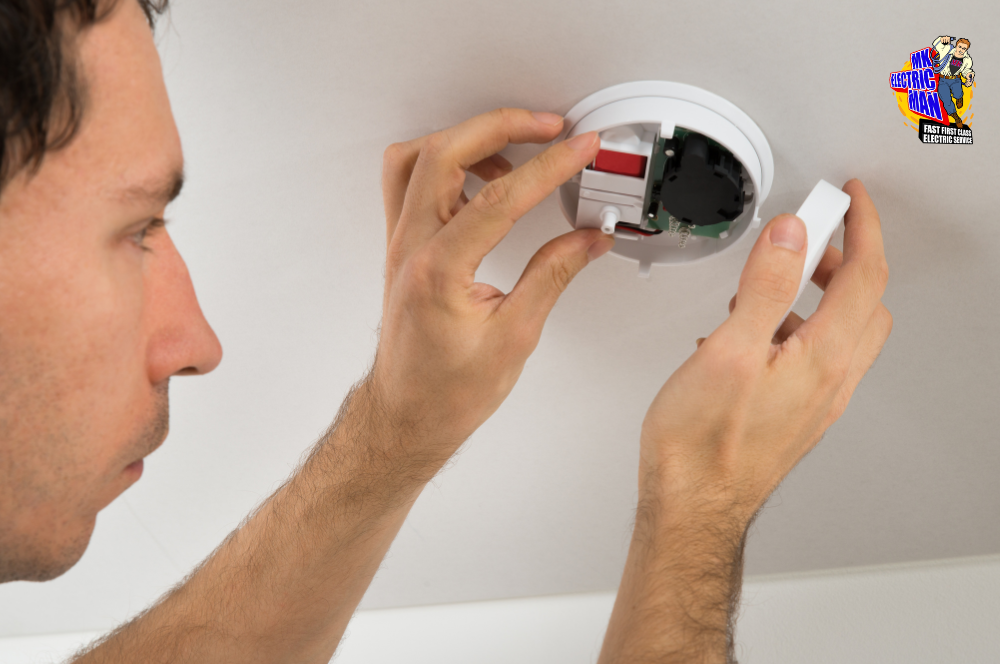
Homeowners sometimes ask whether a DIY swap is fine. The truth is that a smoke alarm is part of your electrical system. Placement, wiring, and interconnection are safety-critical. A licensed electrician designs the layout to match your home’s size and use, then installs and tests each unit so the whole network works as one.
During a visit, your pro may recommend complementary fixes that strengthen the system:
• Testing ground fault protection where moisture is present and recommending GFCI outlet repair if needed.
• Labeling circuits and confirming that alarms are not on nuisance-prone branches.
• Checking for corrosion or storm damage near panels and meters, common after past hurricane seasons.
For a refresher on everyday safety habits, scan our quick-read guide to electrical safety tips and share it with your household.
From Shotguns to Historic Homes: Details That Change the Plan
New Orleans homes are unique. Shotgun layouts can carry cooking smoke straight through bedrooms. Tall ceilings and transoms add draft patterns. Older plaster, beadboard, and brick can hide junction boxes or outdated splices. Your upgrade should account for these quirks so alarms are heard quickly, even behind closed doors and sound machines.
Humidity is another factor. In steamy summers, condensation can irritate sensors. Placing detectors a few feet from bathroom doors, avoiding dead air pockets near ceiling peaks, and choosing the right technology all help reduce nuisance trips. Your electrician will map these details during a walkthrough.
Replace aging detectors before they fail. Waiting until a false alarm wakes the house at 2 a.m. is stressful and risky. A planned upgrade is calm, clean, and predictable.
What You Get With a Professional Upgrade
When you schedule an upgrade with MK Electric Man, you get a safer, simpler system:
- Hardwired, interconnected alarms with battery backup in the right rooms and hallways
- Sensor types matched to each space to cut down on false alarms
- Clear testing routine and labeled dates so replacements are easy to track
- Recommendations for surge protection and panel health to support reliability
Starting your research? It helps to understand the whole process. You can always browse helpful info on our New Orleans electrician before you choose your path.
Seasonal Factors: Storms, Power, and Peace of Mind
Hurricane season raises the stakes. Outages, voltage swings, and generator use put unusual stress on electrical devices. That is why an alarm plan should not sit on an island. It should tie into a healthy electrical backbone so your safety devices power up and stay responsive when you need them most. If your home sees frequent resets or you are adding a standby or portable generator this year, ask us to coordinate your detector network with your panel and protection devices.
Never disable an alarm to stop a false alert. Instead, call a licensed electrician to evaluate placement and sensor type. A small change in distance from a bathroom door or a switch to photoelectric can make a big difference.
Take the Next Step
Ready to bring your alarms up to today’s safety standards? Our licensed electricians design and install complete systems for homes across New Orleans, from Lakeview and Uptown to Algiers and the Lower Garden District. If you want to skip the guesswork, start with our service page for a plain-language walkthrough of options and scheduling at smoke detector installation.
We keep it simple. You get a clear plan, careful work, and a tidy jobsite from a team that lives and works here too. Call MK Electric Man at 504-899-5483 and let’s protect your home the right way. When you are ready to move, you can also schedule your smoke detector upgrade online in minutes.