How EV Charger Installation Can Make Your Home More Convenient and Future-Ready
Owning an electric vehicle is easier when charging fits your life instead of the other way around. With professional EV charger installation in New Orleans, your car fuels up while you sleep, errands run smoother, and range anxiety fades. If you are exploring options for a reliable home setup, see how our team handles EV chargers with safety, speed, and clean workmanship.
Why A Home EV Charger Changes Daily Life In New Orleans
Public stations help in a pinch, but home charging is what makes an EV feel simple. You plug in at night and wake up ready to roll. That convenience matters whether you commute from Lakeview, head to school drop-offs in Mid-City, or cross the river to Algiers.
- Start each morning with a consistent range so plans do not depend on a public charger.
- Skip detours and waiting in line when storms or festivals make the city busier than usual.
- Charge at the lowest-stress time of the day and avoid peak-hour trips.
These small wins stack up. Over weeks and months, you save time, reduce hassle, and get more value from your EV. Home charging also helps you keep battery levels within a healthy range, which many automakers recommend for long-term performance.
Level 1 vs. Level 2: What Most Homeowners Choose
Most EV owners start with the cord that came with the car. That is Level 1. It uses a standard 120-volt outlet and adds a few miles of range per hour. It works, but it is slow for daily driving in a spread-out city.
Level 2 charging is the local favorite because it balances speed and cost. It runs on a dedicated 240-volt circuit and typically adds dozens of miles of range per hour, which means an overnight top-off is easy even after a long day of driving between Gentilly, the Garden District, and the Bywater. A licensed electrician evaluates your panel, picks the right wire size and breaker, and installs the circuit and the wall unit so everything is safe and code-compliant.
What Professional Installation Looks Like
A quality installation is more than hanging a box on the wall. Your electrician evaluates the full picture to make sure the charger fits your home today and tomorrow.
- Load calculation to confirm the panel can support a new 240-volt circuit without nuisance tripping.
- Dedicated circuit sized for the charger’s amperage rating, with proper overcurrent protection.
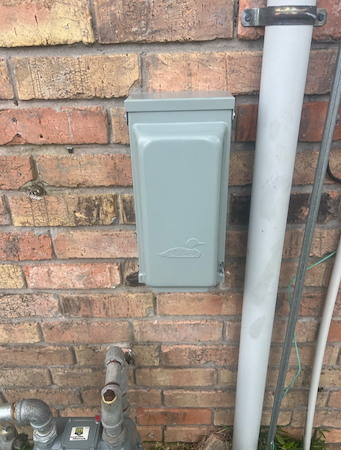
- Correct the wiring method and use weather-appropriate components if the unit is outdoors or in a carport.
- Thoughtful mounting height and cable reach make every plug-in quick and easy.
If your existing panel is close to maxed out or outdated, you may need an electrical panel upgrade before adding a Level 2 charger. That step protects your home from overloads and prevents frustrating breaker trips when the dryer, range, and charger all run at once.
Future-Ready Upgrades That Pay Off
EV models evolve fast. Your next car might draw more current, support faster charging, or include bidirectional capability. Planning a little extra capacity and conduit now helps you avoid opening walls again later. Many New Orleans homeowners ask for a slightly larger wire size, a smart-ready circuit, or a service location that can handle a second charger if a partner or teen driver gets an EV down the road.
Smart charging features are another future-ready perk. Wi‑Fi scheduling, load sharing, and usage tracking can help you align charging with your routine. Integrated cable management and a clean mounting plate also keep tight driveways in Uptown or narrow Marigny garages clutter-free.
Local Factors New Orleans Homeowners Should Consider
New Orleans homes are unique. Shotgun layouts, detached garages, raised foundations, and alley parking each change the plan. In older properties, cloth-insulated or aluminum branch circuits sometimes show up during inspection, which is why a licensed New Orleans electrician should assess the system before work begins. Humidity, summer heat, and hurricane season also influence placement and equipment selection. Outdoor chargers and conduits should be rated for frequent rain, and exterior junctions need tight, corrosion-resistant fittings.
Local tip: schedule installation before peak hurricane season so you are not juggling outage prep and new electrical work at the same time. A tidy conduit route and proper weatherproof fittings help the charger ride out heavy rain and high humidity with fewer issues.
If your parking spot is in a rear alley or under a carport, think about daily cable reach. Place the unit where you can plug it in, back it up, and step away without dragging the cord across a walkway. Clear sightlines and good lighting matter during late-night arrivals after a Saints game or a parade night.
Where To Put The Charger For Everyday Convenience
The best location is the one that makes plugging in effortless. For many homes, that is a wall near the vehicle’s charge port with enough slack to connect without looping over the hood. If your driveway is tight, a side wall may reduce cord tangle. For detached garages in Gentilly or New Orleans East, a short surface-mount conduit run can keep cable management neat and protect finishes.
If you plan to add a second EV or host visiting family with an EV, place the unit so a second cord or pedestal could be added later. That small decision today can save hours of rework next year.
Smart Features That Keep Charging Simple
Not every home needs an app-connected charger, but simple smart features can make life easier. Scheduling lets you plug in after dinner and auto-start later. Load sharing allows two chargers to use one circuit without tripping, handy for multi-vehicle homes. Usage tracking can show how much energy you use each month so you can compare it with your utility bill and make small habit changes if you want.
Even if you choose a basic, durable unit, running the circuit and conduit in a way that accommodates future smart hardware is a wise move. Ask your electrician to leave enough slack and a logical junction point so upgrades are straightforward.
A Safer, Cleaner Electrical System For The Long Run
A charger draws a steady current for hours, so the circuit must be built right. That starts with the load calculation and continues with properly sized conductors, a dedicated breaker, and a secure mounting surface. GFCI protection, grounding, and labeling make troubleshooting easier later. If anything looks doubtful during evaluation, a pro will recommend fixes first, then return to complete the charger install.
Never use a dryer outlet with an adapter for EV charging. It may look like a shortcut, but it can create overheating and shock risks. A dedicated circuit is the safe, long-term choice for your vehicle and your home.
Your Daily Convenience Checklist
Before installation day, walk through how you live and park. A short checklist helps you and your electrician land on the right plan the first time:
- Where do you usually park, and which side is your charge port on?
- Will the cable cross a walkway, gate, or trash can route?
- Could a second EV or a plug-in visitor use this same spot?
- Is there shade or cover to protect the charger and cable from sun and rain?
- Would a small shelf or hook help with tidy cable storage?
How EV Charging Supports Resale And Renovations
More buyers are asking for home EV charging, especially in neighborhoods with limited street parking. Having a clean, documented installation can set your home apart when it is time to sell. If you are renovating, loop your electrician in early so the conduit and wiring are hidden behind new finishes where possible. That approach makes the final result look built-in, not tacked on.
Thinking ahead also keeps renovation timelines smoother. Coordinating the charger with panel work, lighting upgrades, or new appliances reduces repeat visits and patchwork repairs. If you want a quick overview of New Orleans EV charger installation and other electrical improvements we handle, our homepage has simple paths to each service.
What To Expect On Installation Day
Most residential installs follow a clear rhythm. Your electrician protects floors, reviews the plan, verifies the breaker and wire size, then runs the circuit and mounts the unit. After that, they test the charger, label the panel, and walk you through first use. If your charger lives outdoors, they also focus on weatherproof terminations and neat sealant work to keep moisture out.
Ask for a written load calculation and a labeled breaker schedule before the final walkthrough. Clear documentation makes any future service faster and helps during home inspections or upgrades.
Storms, Surges, And Smart Protection
Summer storms and sudden outages are part of life here. A charger is tough, but sensitive electronics inside can be vulnerable to spikes when power returns. Whole-home surge protection and a properly grounded circuit help reduce risk. If your panel is older, surge protection can be added during the same visit as the charger to keep schedules simple.
Do not ignore frequent breaker trips or warm outlet covers. These are signs that a circuit is overloaded or failing. A quick check from a licensed pro can prevent bigger problems down the road.
Ready To Make Charging Easy At Home?
When everyday life gets busy, a dependable charger brings order back to your routine. You plug in, sleep, and start each day with the range you need. If you want a deeper look at equipment types and installation steps, browse our residential EV charger installation details and see how simple the process can be with a trusted local team.
Prefer to start with a quick consult? Our electricians can assess your panel, discuss charger options, and map an efficient route. From there, we handle permits when required, coordinate with your schedule, and leave the work area spotless so you can plug in right away.
New to EVs or adding a second vehicle soon? Explore our step-by-step overview for EV chargers and ask about planning a circuit that can support today’s car and tomorrow’s upgrade.